
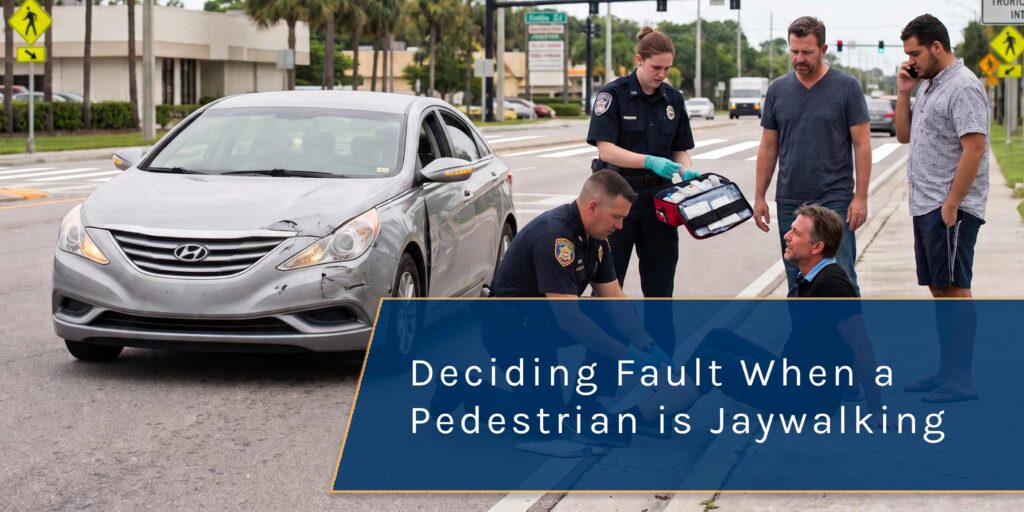
If you are hit by a car while crossing outside a marked crosswalk, fault is not automatic. A Florida pedestrian injury claim depends on the circumstances of the accident, including where the pedestrian crossed, what the driver was doing, and whether either party failed to follow traffic laws. Drivers still have a duty to use reasonable care, while pedestrians also have responsibilities when crossing outside a crosswalk. Because of that, fault may be shared.
Furthermore, Florida uses a modified comparative negligence system, which means your compensation can be reduced by your percentage of fault. If you are found more than 50% at fault, you may be unable to recover damages. An experienced Florida personal injury lawyer with experience in pedestrian accidents can investigate what happened, gather evidence, and push back if the insurance company tries to unfairly blame you for the crash.
Finally, Florida remains especially dangerous for pedestrians. In Smart Growth America’s 2026 Dangerous by Design rankings, Tampa, St. Petersburg, and Clearwater ranked eighth among the nation’s deadliest metro areas for pedestrians, with 618 pedestrian deaths recorded from 2020 through 2024.
Table of Contents
Florida Pedestrian Laws That Control Right of Way
Florida Statute § 316.130 sets many of the rules for pedestrians and drivers. If you cross outside a marked or unmarked crosswalk, you generally must yield to vehicles, but that does not automatically mean the driver is free from fault. Drivers still have a duty to use reasonable care to avoid hitting pedestrians, while pedestrians cannot suddenly enter the path of a vehicle when the driver does not have enough time to stop.
It is also important to remember that not every crosswalk is painted. Florida law recognizes unmarked crosswalks at intersections, which means crossing at an intersection may be treated differently from crossing in the middle of a block.
In a Florida pedestrian injury claim, factors such as where you crossed, the driver’s speed and attention, visibility, and whether either person had enough time to avoid the crash can all affect how fault is divided.
Florida Pedestrian Injury Claim Investigation
Insurance companies do not decide fault by guessing. They check scene facts fast, and they look for facts that support their own narrative.
Here are the first facts Florida personal injury lawyers and insurers review in a Florida pedestrian injury claim:
- Exact location; intersection, midblock, near driveway, near a bus stop
- Number of lanes and traffic pattern; turn lanes, medians, one way roads
- Lighting conditions; daylight, dusk, streetlights out, shadows from buildings
- Weather and road surface; rain, glare, standing water
- Signage and signals; pedestrian signals, “No Crossing,” school signs
- Speed limit and traffic flow; congestion versus open roadway
A Florida crash report from the Florida Department of Highway Safety and Motor Vehicles may include a diagram, driver statements, and roadway notes. It may also list citations and impairment observations. Still, the report does not always tell the full story. Officers often arrive after the impact, so the report may miss crucial pre-crash facts.
Each scene detail can affect how fault is divided, which is why strong documentation matters in a Florida pedestrian injury claim. An experienced pedestrian accident lawyer can help gather and preserve that evidence, identify weaknesses in the insurer’s version of events, and use the facts to support a stronger claim.
Pedestrian Choices That Can Reduce Compensation
Florida “jaywalking” issues can reduce compensation. They usually do not erase the case by themselves. Still, insurers use any rule violation to argue comparative fault. In addition, visibility problems come up often. Dark clothing at night matters. Sudden entry into the lane matters. Ignoring a “Don’t Walk” signal matters. Even so, drivers must still react reasonably, and they must avoid preventable collisions.
Importantly, distraction also plays a role. Phone use can become a defense theme. Earbuds can become another. In many cases, the insurer claims the pedestrian “stepped out” while distracted. Because of that, witness statements and video become critical. So, do not assume these arguments end your Florida pedestrian injury claim. Instead, treat them as issues to address with your experienced Florida pedestrian accident lawyer.
Evidence Checklist to Prove Fault
Evidence can disappear quickly after a pedestrian accident, so preserving it early can make a major difference in a Florida pedestrian injury claim.
Important evidence may include:
- Witness evidence: Names, contact information, and statements
- Video footage: Business surveillance, doorbell cameras, dashcams, and traffic cameras
- Medical records: ER records, imaging, specialist notes, therapy records, and work restrictions
- Phone and vehicle data: Phone records, vehicle event data recorders, GPS records, and rideshare logs
- Roadway evidence: Photos of signs, lane markings, skid marks, debris, sight obstructions, construction zones, and pedestrian signals
An experienced Florida personal injury lawyer can help identify which evidence matters most, preserve time-sensitive records, and use that information to build a stronger case for fault and compensation.
Insurance Coverage That Pays in Florida Pedestrian Injury Claims
After a Florida pedestrian accident, Personal Injury Protection (PIP) may provide benefits for medical expenses and lost wages, even though the injured person was walking rather than riding in a vehicle. If the driver caused the crash, additional compensation may also be available through bodily injury liability coverage, if the driver has it. However, Florida does not generally require every driver to carry bodily injury coverage, so some drivers may have low limits or no coverage at all.
In such cases, uninsured motorist and underinsured motorist coverage can fill the gap. A Florida pedestrian injury claim may access UM coverage through your own auto policy, a household family policy, or sometimes another applicable policy. These cases can get technical fast. Still, UM often makes the difference between a low settlement and a fair one.
Also plan for liens and offsets. Medicare and private health insurers often seek reimbursement from settlement funds. Because of that, your net recovery depends on lien negotiation, not just the gross offer.
What a Florida Pedestrian Injury Claim Is Worth
The value of a Florida pedestrian injury claim depends on fault, the severity of the injuries, the treatment required, and the insurance coverage available.
Compensation may include:
- Medical expenses, including future treatment
- Lost wages and reduced earning ability
- Pain and suffering
- Scarring, disability, or other lasting effects
Insurance coverage can make a major difference in the value of a pedestrian injury claim. PIP may help with some early medical expenses and lost wages, but larger recoveries often depend on whether the at-fault driver has bodily injury liability coverage. There is also generally no fixed cap on compensatory damages in a standard Florida pedestrian negligence claim. The amount available will depend on the facts of the case, the extent of the injuries, and the insurance or other sources of recovery available.
Steps to Take Today After Being Hit Outside a Crosswalk
After a pedestrian accident, your first priority should be your health. Get medical care as soon as possible, follow your treatment plan, and pay attention to symptoms that may develop or worsen over time.
You should also be careful when speaking with the insurance company, especially if you were outside a crosswalk. Florida’s comparative negligence rules can reduce your compensation based on your share of fault, so statements about where you were walking or what happened before the crash may become important later.
An experienced personal injury lawyer can help protect your claim by reviewing how the accident happened, dealing with the insurance company, and challenging attempts to place too much blame on you. Getting legal help early can be especially important when fault is disputed.
FAQs (Frequently Asked Questions)
What happens if a pedestrian is hit by a car outside a marked crosswalk in Florida?
In Florida, fault is not automatic if a pedestrian is hit outside a marked crosswalk. The law considers facts, timing, and right of way. Drivers have legal duties to exercise due care, while pedestrians must also fulfill duties like yielding right of way when crossing midblock.
How does Florida law regulate pedestrian right of way outside crosswalks?
Florida Statute § 316.130 generally requires pedestrians crossing outside a crosswalk to yield the right of way to vehicles. However, drivers must still use due care to avoid hitting pedestrians, including keeping proper lookout and exercising caution in areas with children or confused persons.
What factors do investigators and insurers consider in a Florida pedestrian injury claim?
They examine scene facts such as exact location (intersection, midblock), number of lanes, lighting conditions, weather and road surface, signage and signals, speed limits, and traffic flow. Visibility and reaction time are critical, especially in midblock crossings near bus stops or parking garages. Police crash reports include diagrams and statements but may miss pre-crash details.
How can pedestrian behavior affect recovery in injury claims in Florida?
Violations like jaywalking or ignoring ‘Don’t Walk’ signals can reduce compensation under comparative fault rules but usually do not eliminate claims entirely. Factors such as dark clothing at night, sudden lane entry, distraction from phone use or earbuds can be used by insurers to argue shared fault. Evidence like witness statements and video footage become crucial to counter these defenses.
What types of evidence are important to prove fault in a Florida pedestrian injury claim?
Important evidence may include witness statements, video footage, medical records, and photos of the accident scene. Phone records, vehicle data, and GPS logs may also help when they are relevant to how the crash happened. Because some evidence can disappear quickly, it is important to preserve it as soon as possible.
You Should Not Have to Take the Blame Alone
If you were hit by a vehicle, being outside a crosswalk does not automatically mean the accident was your fault. These cases can become complicated quickly, especially when an insurance company tries to place most or all of the blame on the injured pedestrian.
At Personal Injury Attorneys McQuaid & Douglas, we can review how the crash happened, determine whether the driver also contributed to the accident, and help protect the value of your claim. Our team can also deal with the insurance company on your behalf so you can focus on your recovery.
If you or a loved one was injured in a Florida pedestrian accident and are unsure how being outside a crosswalk may affect your case, contact us today for a free consultation and learn what options may be available to you.